

How Gurgaon Became Gurugram and Transformed Into a Real Estate Powerhouse
22nd August, 2026 20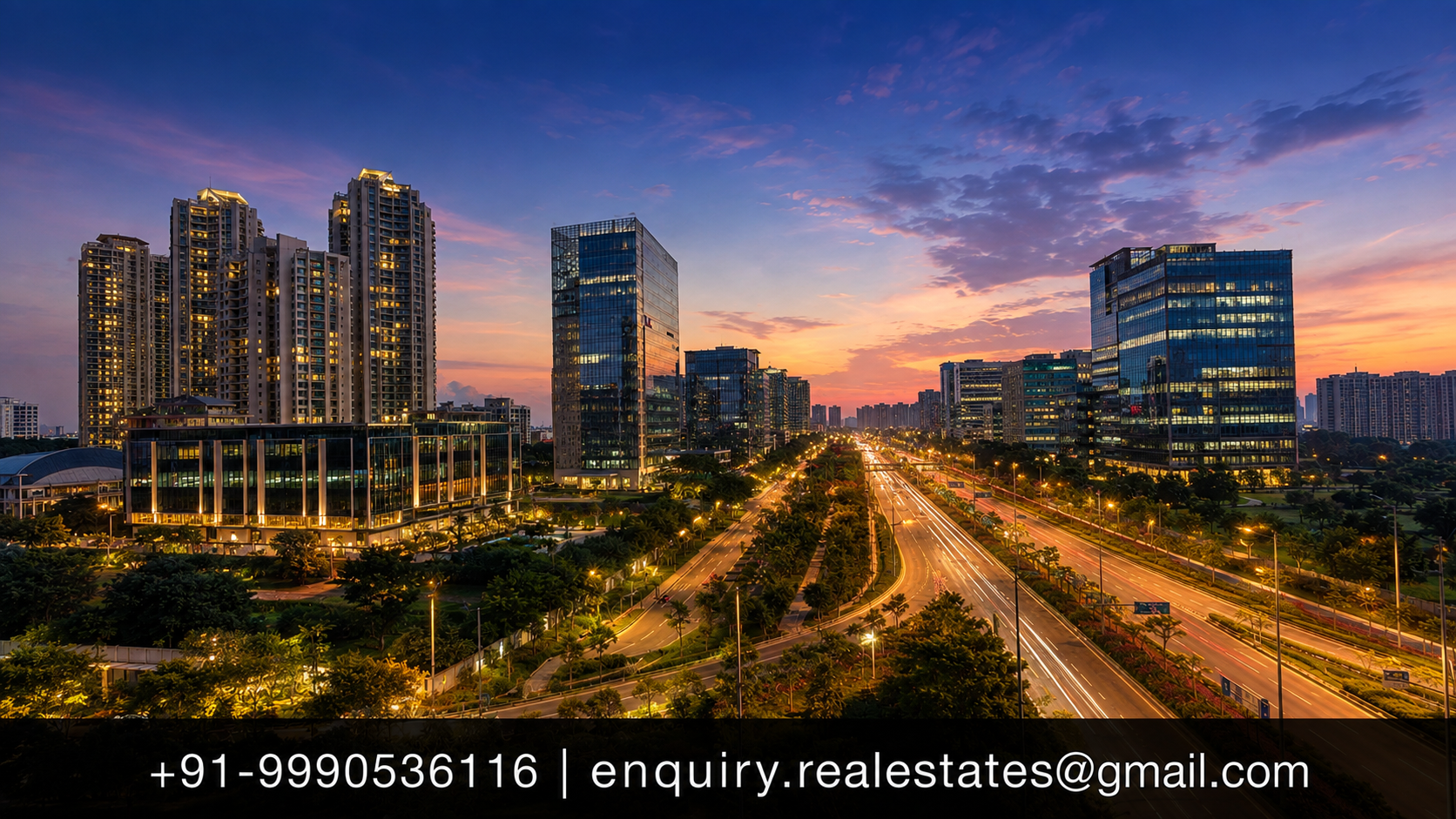 /var/www/vhosts/gurgaonnewproject.com/httpdocs/template/dwarka/artical-page.php on line 122
">
The transformation of a dusty, agrarian cluster of villages on the periphery of India’s national capital into one of Asia’s most dynamic financial and real estate titans is a modern economic marvel. For decades, the region known historically as Gurgaon experienced a quiet, agrarian existence, dependent largely on seasonal agriculture and proximity to Delhi. However, explosive liberalization policies in the early 1990s, strategic land-use policies by the Haryana government, and an aggressive push toward corporate development altered its destiny forever. In 2016, a formal administrative renaming to Gurugram—rooted in ancient epic heritage associated with Guru Dronacharya—symbolized a cultural reclamation that coincided with its peak economic evolution. Today, this urban center stands as a premier real estate powerhouse in India, driving massive demand across residential properties in Gurgaon, sprawling commercial projects in Gurgaon, and high-yield asset classes. Understanding how this metamorphosis occurred requires examining infrastructure milestones, regulatory reforms, corporate relocations, and evolving investor behaviors that continue to shape the modern urban landscape.
How did Gurgaon become Gurugram and transform into a real estate powerhouse? Gurgaon transformed into a real estate powerhouse through a unique convergence of early private-sector real estate pioneering, proactive state government policies on land assembly, proximity to the Indira Gandhi International Airport, and the rapid influx of Fortune 500 corporations. The city evolved from a satellite bedroom community into a self-sustaining corporate and residential metropolis, driven by mega-infrastructure corridors like the Golf Course Road, Southern Peripheral Road (SPR), and the Dwarka Expressway. Today, it offers a diverse asset ecosystem spanning luxury high-rises, plotted developments, and grade-A commercial hubs.
The Historical Spark From Agrarian Outpost to Corporate Frontier
Before the early 1980s, the geography that now hosts glittering glass skyscrapers and sprawling residential enclaves was characterized by flat, arid terrain and small rural settlements. The turning point arrived when visionary corporate giants, most notably Maruti Udyog Limited, selected the region for automobile manufacturing. This singular industrial anchor catalyzed a chain reaction of ancillary manufacturing units, labor migration, and early commercial infrastructure.
As industrial employment expanded, the need for organized housing became acute. Unlike traditional Indian cities that grew organically around historical centers, Gurgaon adopted a planned-sector model under the aegis of state agencies and private developers. Private real estate pioneers recognized the immense regulatory flexibility offered by Haryana's controlled area policies, laying down the groundwork for private-public partnerships in land development. This unique model allowed private developers to assemble large tracts of land, install foundational infrastructure, and market integrated townships long before municipal bodies could catch up. For a deeper look at contemporary housing options born from this legacy, explore residential properties in Gurgaon.
The Administrative and Cultural Shift: The Birth of Gurugram
In April 2016, the Government of Haryana officially renamed Gurgaon to Gurugram, invoking historical and mythological roots tied to the Mahabharata, where the region served as the village of Guru Dronacharya, the teacher of the Pandavas and Kauravas. While critics initially viewed the name change as superficial, real estate analysts and urban historians recognized it as a symbolic maturation of the city.
The renaming marked a psychological transition from a chaotic, hastily built corporate boomtown into an established, culturally grounded civic entity. Municipal governance began focusing more intensely on civic amenities, green belts, underground cabling, and stormwater drainage systems. This administrative pivot enhanced investor confidence, assuring institutional funds, Non-Resident Indians (NRIs), and High-Net-Worth Individuals (HNIs) that the city was transitioning into a permanent, world-class urban destination rather than a temporary industrial camp.
Infrastructure as the Catalyst: Expressways and Arterial Corridors
Real estate values in any micro-market are intrinsically tied to physical connectivity. The evolution of Gurugram as a real estate powerhouse is fundamentally a story of aggressive infrastructure engineering.
The Lifelines of Urban Growth
-
NH-48 (Delhi-Jaipur Highway): The original economic spine that connected the city to the capital and the airport, fostering early office parks like Cyber City.
-
Golf Course Road: Transformed from a two-lane rural road into a signal-free rapid transit corridor flanked by ultra-luxury condominiums and premium corporate hubs, setting the benchmark for luxury living.
-
Golf Course Extension Road: Opened up vast tracts of land for mid-to-high-tier residential communities and high-street retail centers.
-
Southern Peripheral Road (SPR): Acts as a critical bridge connecting Golf Course Extension Road directly to NH-48 and the Gurgaon-Sohna Elevated Corridor.
-
Dwarka Expressway (Northern Peripheral Road): The crown jewel of modern infrastructure, bridging Dwarka in Delhi with Kherki Daula in Gurugram, creating an entirely new corridor for massive new residential projects in Gurgaon.
These infrastructure corridors eliminated historical bottlenecks, drastically reducing commute times to the Indira Gandhi International Airport and central Delhi. Consequently, developers could launch massive integrated townships along these arteries, capturing immense capital appreciation over the last two decades.
The Corporate Magnet: How Job Creation Fueled Housing Demand
Real estate does not exist in a vacuum; it follows jobs. The transformation of Gurugram into a corporate titan is arguably the single most influential driver of its property market. By offering flexible commercial zoning, world-class IT parks, and business-friendly state policies, the city successfully lured multinational corporations away from central Delhi and Mumbai's congested business districts.
Pioneering commercial hubs like Cyber City and Udyog Vihar evolved into global financial, technology, and consulting nerve centers. Later expansions along Golf Course Extension Road and Golf Course Road cemented the city's status as a corporate destination for Fortune 500 firms.
This corporate migration created a massive demographic of high-earning young professionals, expatriates, and corporate leaders. This affluent workforce demanded modern, secure, and amenity-rich housing—paving the way for gated communities, clubhouses, swimming pools, and smart-home technologies. For businesses looking to establish a presence in these thriving hubs, reviewing prime commercial projects in Gurgaon offers a strategic starting point.
Evolution of Asset Classes: From Builder Floors to Ultra-Luxury Towers
As Gurugram matured, the appetite and sophistication of property buyers evolved dramatically. The real estate market transitioned through distinct generational phases:
Phase 1: The Plotted and Independent Era
Early development relied heavily on government-allocated plots and independent builder floors. Families preferred owning land parcels where they could construct independent structures. Even today, residential plots in Gurgaon remain fiercely coveted for their absolute ownership, flexibility, and high capital appreciation.
Phase 2: The Group Housing Boom
As migration accelerated, gated communities with high-rise apartments became the norm. Developers introduced standardized 2BHK, 3BHK, and 4BHK configurations equipped with power backup, security, and dedicated parking, establishing community living as the preferred lifestyle choice.
Phase 3: The Ultra-Luxury and Branded Residence Era
In recent years, the market witnessed an unprecedented surge in demand for ultra-luxury projects in Gurgaon. High-net-worth individuals, entrepreneurs, and returning NRIs began demanding large-format apartments, private penthouse suites, golf-facing villas, and branded residences managed by international hospitality chains. These properties prioritize architectural innovation, absolute privacy, concierge services, and wellness-centric amenities. For buyers seeking immediate possession of completed masterworks, exploring ready-to-move properties in Gurgaon reveals how premium inventory has matured.
The Rise of Alternative Asset Classes: Plots, Villas, and Farmhouses
While high-rise apartments dominate volume, the diversification of Gurugram’s real estate portfolio into alternative asset classes has cemented its status as a comprehensive investment destination.
Plotted Developments and Low-Rise Living
With urban fatigue settling among certain demographics, organized gated communities featuring independent floors and plotted land have experienced a massive revival. These options offer the privacy of independent living combined with the security and amenities of a gated township. Buyers looking for independent land parcels frequently evaluate secure plots in Gurgaon within licensed colonizer projects.
Villas and Gated Enclaves
For elite buyers seeking expansive living spaces, private lawns, and multi-generational housing, premium villas in Gurgaon located along Golf Course Extension Road and Southern Peripheral Road represent the pinnacle of suburban luxury.
Agricultural and Luxury Farmhouses
On the outer fringes—stretching toward Sohara, Farrukhnagar, and Manesar—sprawling green retreats and farmhouses in Gurgaon provide weekend sanctuaries for Delhi-NCR elites, blending organic farming potential with high-end estate architecture.
Comparative Analysis: Gurgaon’s Key Real Estate Corridors
To understand how Gurugram functions as a real estate powerhouse, one must analyze its distinct micro-markets, each catering to different buyer profiles and investment horizons.
|
Micro-Market |
Primary Property Types |
Target Audience |
Key Infrastructure Advantage |
Price Positioning |
|---|---|---|---|---|
|
Golf Course Road |
Ultra-Luxury High-Rises, Grade-A Commercial |
HNIs, C-Suite Executives, Luxury Investors |
Rapid Metro, Signal-free corridor, Cyber City proximity |
Premium / Ultra-High |
|
Dwarka Expressway |
New Launches, Mid-to-High Rise, Commercial |
Investors, End-Users, Tech Professionals |
Direct connectivity to IGI Airport & Dwarka |
Mid-to-High Growth |
|
Golf Course Extension |
Luxury Apartments, Villas, High-Street Retail |
Families, Long-term Investors |
Connects SPR to Golf Course Road |
Upper-Mid to High |
|
Sohna Road / South Gurgaon |
Affordable Housing, Plots, Mid-Segment Housing |
First-time buyers, Budget-conscious investors |
Sohna Elevated Corridor, upcoming industrial links |
Affordable to Mid |
Investment Dynamics: Capital Appreciation, Rental Yields, and Risks
Investing in Gurugram’s real estate market requires a nuanced understanding of economic drivers and inherent risks. Unlike speculative markets, Gurugram’s property sector is underpinned by tangible job creation and infrastructural expansion.
Capital Appreciation Drivers
-
Continuous Infrastructure Upgrades: Ongoing highway widenings, metro extensions, and RRTS (Regional Rapid Transit System) proposals consistently unlock new micro-markets.
-
Institutional Developer Consolidation: The market has increasingly shifted toward Tier-1 developers (e.g., DLF, M3M, Godrej, Emaar, Elan) who ensure timely delivery, superior construction quality, and transparent RERA compliance.
-
Corporate Expansion: Sustained office leasing by global capability centers (GCCs) guarantees a steady influx of high-paying white-collar employees.
Rental Yields and Income Potential
Historically, rental yields in Indian real estate hovered around 2% to 3%. However, prime micro-markets in Gurugram featuring luxury condominiums and corporate-proximate housing have seen rental yields climb toward 3.5% to 4.5%, driven by high corporate rental budgets and limited supply of ready-to-move luxury inventory.
Key Risks and Cautionary Factors
-
Execution Delays: While Tier-1 developers have strong track records, under-construction projects by lesser-known builders can face liquidity crunches or regulatory delays.
-
Infrastructure Lags in New Sectors: While highways are built rapidly, internal civic amenities, sewage lines, and last-mile connectivity in newly developing sectors sometimes lag behind residential possession timelines.
-
Cyclical Oversupply: Specific micro-markets can experience temporary oversupply in particular configurations, necessitating thorough due diligence before committing capital.
Buyer and Investor Checklist for Gurugram Real Estate
Navigating the Gurugram property market successfully requires a structured, disciplined due diligence framework. Whether you are purchasing an apartment, a commercial shop, or an independent plot, review this essential checklist:
-
Verify RERA Compliance: Ensure the project is registered under Haryana RERA (HRERA) and check the developer’s delivery track record, litigation history, and financial standing.
-
Inspect Title and Land Documentation: For plotted developments and land purchases, verify clear titles, chain of ownership, and appropriate zoning classifications.
-
Evaluate Actual Connectivity vs. Projected Infrastructure: Do not rely solely on master plans. Inspect current approach roads, traffic bottlenecks, and public transit accessibility.
-
Analyze Maintenance and Society Charges: High-end amenities come with substantial recurring maintenance costs. Factor these into your long-term holding or rental calculations.
-
Confirm Water and Power Infrastructure: Verify power backup reliability, groundwater vs. municipal water supply arrangements, and rainwater harvesting systems.
-
Engage Professional Advisors: Consult experienced legal and financial advisors to review allotment letters, builder-buyer agreements (BBAs), and payment plans.
The evolution of Gurgaon into Gurugram and its subsequent ascent as a premier real estate powerhouse is a testament to visionary urban planning, private-sector dynamism, and relentless economic ambition. From its humble agrarian origins to hosting gleaming corporate headquarters, world-class golf courses, and ultra-luxury residential enclaves, the city has continuously reinvented itself to meet the demands of a modern global economy. For homebuyers seeking an elevated urban lifestyle, investors pursuing capital appreciation, and enterprises expanding their footprint, Gurugram remains an unmatched destination. By aligning your property selection with rigorous due diligence and clear financial objectives, you can successfully participate in one of India's most vibrant real estate success stories.
Frequently Asked Questions
1. How did Gurgaon get its name changed to Gurugram?
The city was officially renamed Gurugram in April 2016 by the Government of Haryana. The name is derived from Hindu mythology, specifically the epic Mahabharata, where the region was known as the village of Guru Dronacharya, the martial arts teacher of the Pandavas and Kauravas.
2. What drove Gurgaon’s transformation into a real estate powerhouse?
The transformation was driven by early industrialization (such as Maruti Udyog), proactive private developer policies, proximity to the Indira Gandhi International Airport, the rapid establishment of corporate parks like Cyber City, and continuous mega-infrastructure development along major corridors like NH-48 and the Dwarka Expressway.
3. Which micro-markets in Gurugram are best for luxury real estate?
Golf Course Road and Golf Course Extension Road are universally recognized as the prime epicenters for ultra-luxury residential projects, high-rise condominiums, and premium branded residences.
4. Is the Dwarka Expressway a good location for property investment?
Yes, the Dwarka Expressway is one of the most active growth corridors in the National Capital Region (NCR), featuring numerous new residential projects, improved connectivity to Delhi, and robust anticipated infrastructure development.
5. What types of properties are available in Gurugram?
Gurugram offers a diverse asset ecosystem, including high-rise apartments, luxury villas, gated community plots, independent builder floors, commercial office spaces, retail hubs, and expansive agricultural farmhouses.
6. Are rental yields high in Gurugram?
Rental yields in prime corporate-adjacent and luxury micro-markets range between 3.5% and 4.5%, supported by strong corporate leasing demand from multinational firms and expatriate professionals.
7. How can I verify if a project in Gurugram is legally sound?
You should check the project's registration status on the official Haryana RERA portal, verify land titles through legal counsel, and review the developer's delivery history.
8. What is the typical holding period recommended for real estate investment in Gurugram?
For optimal capital appreciation and to ride infrastructure maturation cycles, a medium-to-long-term holding period of 5 to 7 years is generally recommended by real estate analysts.
9. Are commercial properties a good investment in Gurugram?
Commercial properties—such as high-street retail shops, food courts, and office spaces—offer attractive rental income potential, provided they are located in high-footfall corridors with strong catchment areas.
10. Where can I find verified new projects in Gurgaon?
You can explore curated listings and professional guidance through specialized platforms like Gurgaon New Project, which covers residential, commercial, and luxury properties across the city.
Take the Next Step in Your Real Estate Journey
Whether you are looking to invest in high-growth corridors, secure a luxury residence, or explore prime commercial spaces, having expert guidance ensures informed decision-making.
Contact the property advisory team today to discuss your specific requirements and explore tailored property options across Gurugram.